Robot cybersecurity & deployment reviews

Physical AI & robotics security.

Understand what your robot connects to, what it shares and who can control it.

Planning a robot deployment in the UAE? Review the connected application, data flows and operator access before asking a customer or venue to approve it.

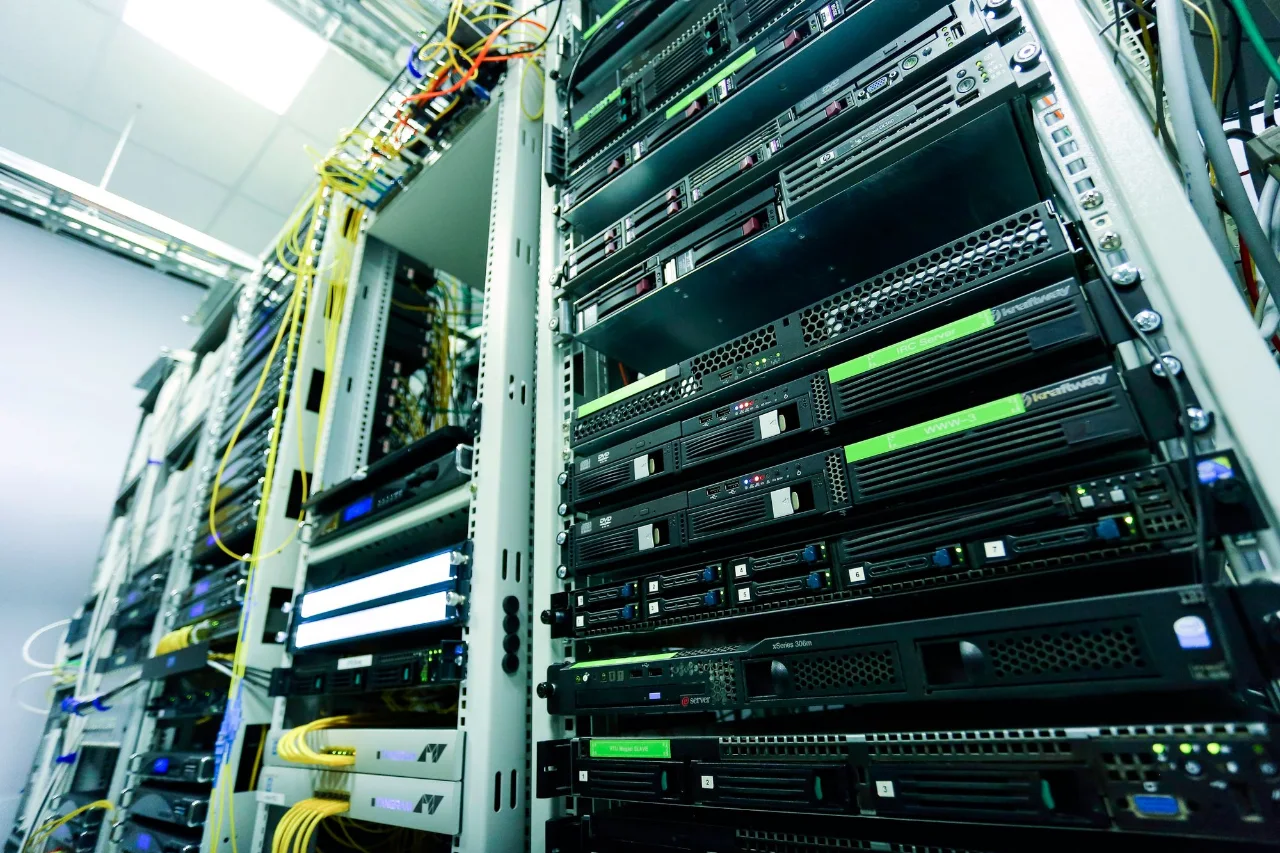
Network servers with green status lights inside a server rack
Look at the connected system

Follow the data. Check the permissions.

A robot deployment includes more than the machine. Operator software, cloud services and AI integrations all shape what the system can access and do.

Illustrative review map · boundaries are agreed for your project
  1. 01 / Inputs

    People & data

    Voice, cameras, documents
    and operator requests

    Collection & sharing
  2. 02 / Applications

    Software & AI

    Operator portals, APIs,
    model services and tools

    Identity & permissions
  3. 03 / Deployment

    Robot & network

    Robot interfaces, connectivity,
    updates and recovery

    Access & configuration

The review records connections in both directions, including commands, returned data and external service dependencies.

The review scope

Specific questions. Traceable findings.

Choose the areas relevant to your deployment. We agree the configuration, access and depth of testing before the review.

01

Data & cloud connections

Where does the information go?

Map camera, microphone, document and telemetry flows. Review the connected services, storage settings and available controls for sharing and retention.

Useful evidence A data-flow map, external dependencies and questions to resolve with suppliers.

02

Operator & remote access

Who can see, change or control it?

Review operator accounts, application permissions, API credentials and remote support arrangements. Examine how access is granted, limited and removed.

Useful evidence An access review with configuration findings and recommended changes.

03

AI & command permissions

What is the assistant allowed to do?

Examine the boundary between voice or language-model output and application actions. Agree tests for untrusted inputs, tool permissions and operator approval in a controlled setup.

Useful evidence Defined test scenarios, observed behaviour and improvements to application controls.

04

Robot & network configuration

What is connected and exposed?

Record the exact robot edition, firmware and software. Review documented interfaces, network separation and relevant advisories; include ROS 2/DDS configuration where it is part of the system.

Useful evidence A configuration inventory and findings tied to the versions and access reviewed.

05

Updates & recovery

What happens when something changes?

Review update dependencies, logs and operator recovery arrangements. Examine agreed application behaviour when connectivity, credentials or a model service becomes unavailable.

Useful evidence A record of recovery assumptions, observed gaps and follow-up tests.

What your team receives

A report you can act on.

Use the findings with your engineering team, supplier and IT decision-makers. Each finding identifies the affected component, supporting evidence and a practical next step.

Findings are manually reviewed before delivery. We separate confirmed observations from assumptions and unverified areas. A remediation work package and retest can be agreed after the review.

Discuss your deployment
Proposed report structure
  1. System & review boundariesRobot, firmware, applications, environment and agreed methods.
  2. Connections & accessData flows, external services and control permissions.
  3. Findings & evidenceObserved issues, impact, reproduction context and limitations.
  4. Priorities & next stepsRecommended fixes, responsible teams and agreed retest criteria.
Where it fits

For the teams putting robots to work.

Start when there is a specific deployment, integration or approval question to resolve.

Suppliers & integrators

Prepare technical evidence for a customer’s IT review and identify work needed before handover.

Robot owners & labs

Understand a proposed network connection, cloud dependency or change to an existing robot application.

Security & engineering teams

Discuss a defined robotics work package within your wider assessment, with responsibilities agreed up front.

A contained first engagement

One deployment. An agreed review.

Our development background covers the G1 console, operator workflows, knowledge and voice integrations. Security engagements are scoped around the available access and the expertise the work requires.

See our development background

This service covers cybersecurity review and deployment evidence. Functional safety certification and regulatory certification are outside its scope.

  1. Define the decision.

    Share the robot, connected applications, environment, deadline and questions from your customer or IT team.

  2. Agree the review.

    Confirm authorised access, methods, test conditions, deliverables, required expertise and exclusions in a written scope.

  3. Review the evidence.

    Walk through findings and limitations with your team, prioritise fixes and decide what needs further testing.

Practical questions

Before the review.

Tell us about your setup
What do you mean by physical AI security?

Here it means cybersecurity for robots and their connected AI applications: the data they collect, the services they use and the permissions around control. Our starting point is a defined humanoid or robot-dog deployment. Other platforms are assessed individually.

Is this a full robot security audit or safety certification?

Our initial service is a scoped cybersecurity and deployment review, with the systems, methods and exclusions agreed in writing. It does not provide functional safety certification, regulatory certification or a guarantee that a robot is secure. Firmware exploitation, hardware security testing and physical safety assessment require separate specialist scope and capability.

Can the review be done remotely?

Architecture, documentation, source code and selected application or configuration reviews may be possible remotely. Hardware-dependent findings need agreed access and test arrangements. The report distinguishes what was observed, what was supplied by others and what could not be verified.

Will tests make the robot move or affect a live event?

Testing is agreed before work begins, including ownership permission, systems in scope and stop conditions. Application tests start in an isolated or simulated environment where appropriate. Live motion and disruptive testing are outside the initial review unless separately scoped with suitable expertise and controls. Simulation results do not establish physical safety.

Can you review an application that Kinbotix built?

Yes, as a development security review with our involvement disclosed. Independent assurance needs a separately appointed assessor. We can scope implementation of agreed fixes and a subsequent retest; neither should be represented as independent certification.

How do you scope and price the work?

Start with the robot model and firmware, connected applications, deployment environment and decision you need to make. We confirm access, required expertise, review criteria, deliverables, limitations and price before agreeing the work. Remediation and retesting are itemised where included.
Useful technical references

Published guidance can inform the review criteria for your project. References do not imply endorsement, certification or that every control applies to every robot.

ASD ACSC: AI in operational technology ↗ROS 2: DDS security design ↗OWASP: excessive agency in AI applications ↗
Physical AI & robotics security

Planning a robot deployment?

Tell us the model, the environment and the security question you need answered. We’ll help define a focused review.

Scope a security review

Model and configuration first. Clear scope before testing.